


Trail quivers


Trail Running Quiver Nimbus
Trail running quiver -


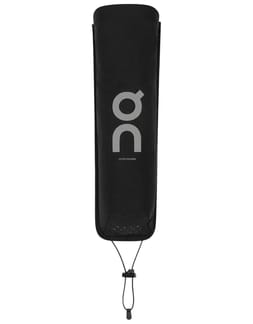




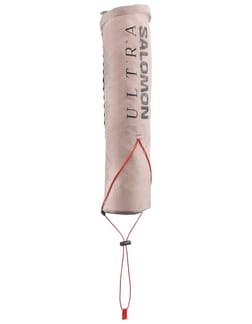
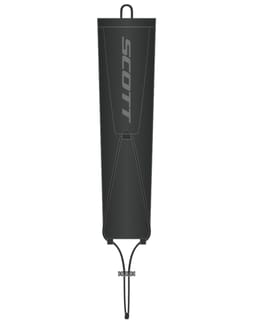

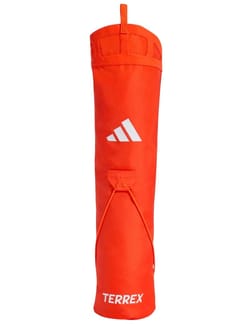

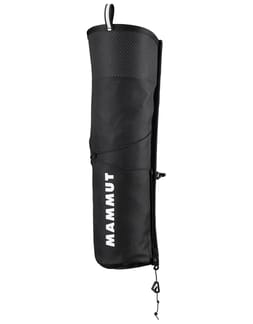

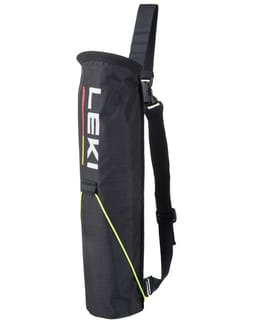


Trail Running Quiver Nimbus
Trail running quiver -
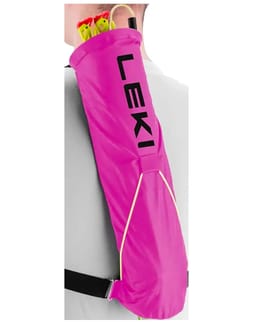
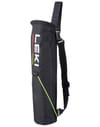

On mountain trails, there always comes a moment when your poles become cumbersome: technical sections, steep descents, or stretches where you need your hands free. A trail quiver is a discreet accessory that lets you stow and retrieve your poles in seconds, without removing your pack. Discover our selection of trail quivers on Snowleader, designed for runners seeking extra elevation gain.
Why choose a trail quiver?
If you run with folding or telescopic poles and need a reliable way to carry them as the terrain changes, a quiver attaches directly to your trail running pack and keeps your poles upright and stable, without interfering with your stride. On ultras or technical mountain trails, this freedom of movement makes a real difference: your hands stay free for balance on rocky ground or to grab an energy bar without slowing down.
Beyond comfort, a quiver also protects your pole tips and segments from repeated knocks that can weaken folding mechanisms over time. Trail quivers typically weigh between 30 and 80g depending on the model, a negligible addition even on long-distance runs. Another often underestimated advantage is quick access: with most modern quivers, you can stow or grab your poles in seconds, a real benefit when alternating between runnable and technical sections.
How to use your trail quiver properly
Before your first outing, take time to attach the quiver to your pack while stationary. Most models fasten to the straps or back panel using a system of straps and buckles. Adjust the height so your poles, once stowed, don't stick out too far above your shoulders-this prevents them from catching on low branches or unbalancing your pack on descents. Tighten the straps just enough to eliminate movement, without compressing the pack fabric. A quick test run around your home is enough to check the fit before heading out on a real trail.
Trail quiver features and compatibility
Main features of trail quivers
What sets a trail quiver apart from a simple sleeve is above all the choice of materials. Ripstop nylon, found on most models, offers high resistance to small tears while remaining very lightweight. Some brands add breathable mesh panels to reduce moisture build-up after rain or morning dew. In high-wear areas, Cordura fabric or flexible plastic reinforcements extend the quiver's lifespan, even if you stow your poles dozens of times per outing. Leki, for example, pays special attention to these contact points on its Quiver models, with a universal attachment system that fits most packs.
Compatibility with different poles and packs
Before making your choice, two quick checks are essential. For poles, check the maximum diameter the quiver accepts and compare it to your poles' folded dimensions: most models are compatible with folding and telescopic poles from Leki, Salomon, Black Diamond or Millet, but a few millimetres' difference can affect the fit. For packs, quivers generally fit trail running packs from 5 to 20 litres thanks to adjustable straps. If you run with a Salomon pack, the brand's quivers are designed to integrate perfectly with their full range.
How to choose your trail quiver
Criteria to consider when buying
Which quiver for which use? The answer depends on several factors you can compare before making your choice:
- Weight: on long trails or in races, every gram counts. Choose the lightest models if performance is your priority.
- Attachment system: straps, clips, elastics... Check that the mechanism is compatible with your pack and can be operated one-handed, even on the move.
- Material durability: a quiver made from ripstop nylon or Cordura will better withstand repeated friction against rocks and vegetation.
- Versatility: some quivers accept both trail running poles and trekking or Nordic walking poles, a plus if you do several outdoor activities.
- Your body shape: depending on your build, choose a quiver with straps that offer enough adjustment range to avoid pressure points, especially on long outings.
Comparison of available models
Whether you're after an ultra-lightweight model for racing or a robust one for regular mountain training, you'll find quivers from Salomon, Leki or Millet in our selection. Each product page details weight, dimensions and attachment type so you can easily compare. To complete your kit, consider choosing trail running poles suited to your needs and trail running shoes with the grip you need for technical terrain.
Snowleader offers free delivery from £199 and free returns within 60 days, so you can choose your trail quiver with complete peace of mind.
Trail quiver FAQ
How do I choose a trail quiver suited to my body shape and activity?
Your build and running style directly influence your choice. If you're smaller, a compact quiver with a wide adjustment range will prevent it from moving around on your pack. For ultra-trail, where poles are stowed and retrieved many times, a model with reinforced support and quick access is best. In all cases, try it with your loaded pack: the quiver shouldn't block pocket access or restrict shoulder movement.
Can you use a trail quiver for other outdoor sports?
Yes, a trail quiver can also be used for hiking, fast hiking or Nordic walking. Most models accept different pole diameters, making them versatile. Some runners even use them for ski touring to carry lightweight poles during portage sections.
How do you adjust and attach a trail quiver?
Always adjust while stationary, with your pack on. Gradually tighten the straps until there's no movement, without crushing the pack fabric. Position the quiver so your pole tips don't extend above your shoulders. Then go for a short test run: if the quiver moves or rubs, tighten or reposition it slightly until you get a stable, silent fit.
How do you care for your trail quiver?
After each outing, remove any dirt and debris from the quiver. Rinse with clean water in most cases. For a deeper clean, use a soft sponge with mild soap and let it air dry out of direct sunlight. Avoid tumble dryers and harsh chemicals that could damage the fabric's properties.


Our Bloch' letter


