


Climbing and mountaineering ropes


Diablo Unicore 9.8mm Red
Climbing rope -





Diablo Unicore 9.8mm Red
Climbing rope -


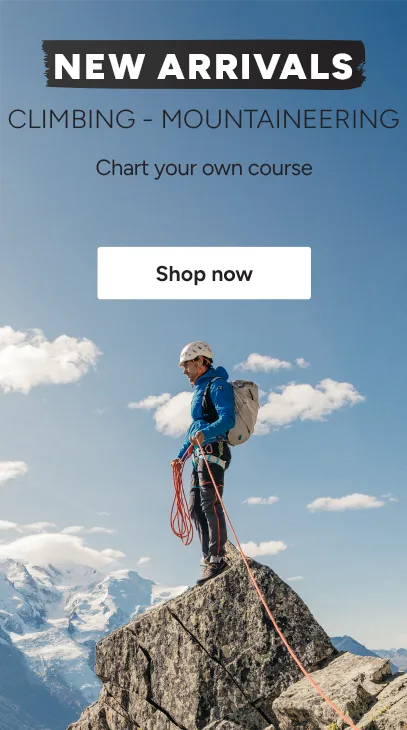


Whether you're planning a classic alpine outing or a technical ice ascent, the mountaineering rope remains the core element of your safety. Discover on Snowleader a complete selection of ropes suited to every discipline and skill level.
Why choose a quality mountaineering rope?
On a rocky ridge, in a snow couloir or along an icefall, your rope is the essential link in your belay system. Its role is twofold: to provide sufficient elasticity to absorb the energy of a fall and to distribute impact forces across anchor points, protecting both climber and gear. Choosing a mountaineering rope certified to EN 892 (dynamic ropes) and marked UIAA ensures proven resistance and comfort in real mountain conditions.
Brands such as Beal, a French reference in climbing ropes, feature alongside models from Black Diamond, Petzl, Edelrid and Mammut in our catalogue. Each brings its own sheath technology and construction to suit a range of uses, from multi-pitch crag climbing to committed mountaineering. Explore our climbing and mountaineering equipment section to complete your kit.
The different types of mountaineering ropes
There are various types of ropes with different diameters and lengths to suit your needs. Understanding the specifics of each category will help you make the right choice. For more details, our comprehensive guide on which rope to choose for mountaineering will walk you through step by step.
Single rope
The single rope is best suited to indoor climbing and routes where abseiling is not required for descent. In mountaineering, a diameter between 8.5 and 9.5 mm offers a good balance between lightness and strength for classic rock routes. Used as a single strand, it simplifies handling and is compatible with most belay devices on the market.
Half rope
For occasional climbers, half ropes remain a reliable choice for multi-pitch routes, offering a better grip. The two different colours also make handling easier. In mountaineering, the half rope comes into its own on ridge routes or mixed terrain: each strand is clipped alternately into quickdraws, reducing rope drag on winding routes and allowing abseils along the full rope length-a decisive advantage when the descent requires it.
Twin rope
Looking to save every gram on a long high-mountain route? The twin rope is designed for this. Its two strands, always clipped together at each anchor, generally have a diameter under 8 mm and allow abseiling along the full length. This setup is best suited to experienced mountaineers who can manage the specific demands of double clipping.
Choosing your mountaineering rope: key criteria
Diameter and weight
The diameter of the rope affects its weight. Thin ropes are lighter and more versatile than others. However, ropes with smaller diameters (lighter and more supple) are best reserved for experts and are more suitable for technical climbs such as snow routes, glacier travel or ski touring. If your outings often take you onto snow or ice, opt for a dry-treated sheath (hydrophobic): it limits water absorption, maintains flexibility and prevents weight gain in wet conditions.
Length and number of falls
Manufacturers offer most models in a range of lengths, from 30 to 100 metres. To choose the right length for your climbing rope, consider the average length of the routes you'll be climbing. In mountaineering, the following guidelines may help:
- 50 to 60 metres: standard length for most classic mountain routes.
- 70 to 80 m: ideal for long multi-pitch routes with extended abseils.
Also check the UIAA number of falls listed on the technical sheet: this figure indicates the rope's ability to withstand repeated falls before losing its dynamic properties. The higher the number, the longer your rope will retain its reliability.
Care and durability of ropes
A well-maintained mountaineering rope will accompany you on many climbs. A few habits will help preserve its dynamic qualities and strength:
- Store it in a rope bag, away from moisture, UV rays and direct heat sources.
- After use in damp conditions, wash it in lukewarm water (max 30 °C) with mild soap, then let it dry flat and in the shade. Dry-treated ropes handle moisture better but still require careful drying.
- Any contact with solvents, fuel or acids will irreversibly damage the nylon in the sheath and core.
- Before each outing, run the rope through your fingers: a flattened, fuzzy or unusually stiff area signals wear that should not be ignored.
- Replace your rope after a major fall (factor 2) or, if no significant incident occurs, after a maximum of 5 years of regular use.
Mountaineering rope FAQ
Which mountaineering rope should I choose for my activity?
It all depends on the terrain and commitment of your route. For classic rock routes, a single rope of 9 mm offers a good balance between handling and strength. As soon as the route becomes winding or you move onto mixed ground, the half rope provides valuable versatility thanks to the option of abseiling along the full length. Experienced mountaineers tackling long routes where every gram counts will opt for the twin rope.
How do I choose the right length of mountaineering rope for my outing?
Anticipate the pitch lengths and abseil heights on your route. For most mountain climbs, 50 to 60 m is the standard reference. For long multi-pitch routes requiring extended abseils, a 70 to 80 m rope will save you from having to tie ropes together or perform extra manoeuvres.
How do I check the safety and compliance of a mountaineering rope?
Check that the rope bears the CE mark and UIAA certification. Look for the standard on the label (EN 892 for dynamic ropes) and consult the manufacturer's technical sheet for the UIAA number of falls, impact force and elongation percentage. These figures give you a reliable picture of the rope's behaviour in real fall situations.
Which essential accessories should I use with a mountaineering rope?
Your rope never works alone. Pair it with a rope bag for transport and protection, screwgate carabiners for anchors, a belay device suited to your rope's diameter, a harness adjusted to your body, a safety lanyard for anchor manoeuvres, and quickdraws to equip the route.
Snowleader offers free returns within 60 days, free delivery from £199 and a free gift from £299 to help you gear up with confidence for your next mountain adventure.


Our Bloch' letter


